 By Steven Smith
The Dr. Gundry Diet centers on the principles of the Plant Paradox approach, which focuses on optimizing health through dietary choices. By understanding the impact of lectins on your body, you can make informed decisions about the foods you consume. This diet emphasizes whole, nutrient-rich foods while advising against certain high-lectin items. Are you curious about how these choices can transform your health and well-being? Let’s explore the key components of this dietary framework.
Understanding the Basics of the Dr. Gundry Diet

When exploring the Dr. Gundry Diet, you’ll find it emphasizes whole, nutrient-dense foods while discouraging certain plant-based items. This diet is rooted in the concept of lectins, proteins found in many plants that can interfere with gut health and overall wellness.
The primary focus is on incorporating vegetables, healthy fats, and lean proteins, which promote cellular function and reduce inflammation. You’ll also learn to avoid foods high in lectins, like grains and legumes, as they may contribute to digestive issues.
The Role of Lectins in Your Diet
Although many foods are considered healthy, it’s important to recognize the role of lectins in your diet and their potential impact on health.
Lectins are proteins found in a variety of plants, particularly in beans, grains, and some vegetables. While they’ve protective benefits for plants, they can interfere with nutrient absorption and may contribute to inflammation in some individuals.
Research indicates that certain lectins can disrupt gut health by binding to cell membranes in the intestines. This disruption can lead to digestive issues and other health concerns.
If you’re looking to support ideal health for yourself and others, understanding and managing lectin consumption can play a vital role in your dietary choices.
Foods to Embrace on the Dr. Gundry Diet

Embracing the right foods on the Dr. Gundry Diet can greatly enhance your health. Focus on incorporating leafy greens, cruciferous vegetables, and low-lectin fruits such as berries and avocados. These foods are rich in nutrients and antioxidants, promoting overall wellness.
Nuts and seeds, particularly walnuts and chia seeds, provide healthy fats and protein while minimizing lectin content. Incorporate high-quality oils like extra virgin olive oil and coconut oil for cooking and dressings, as they support heart health.
Additionally, pasture-raised meats and wild-caught fish offer essential proteins without the added lectins found in conventional sources. By focusing on these foods, you can create a nourishing diet that supports both personal health and the well-being of those you serve.
Foods to Avoid for Optimal Health
To achieve ideal health on the Dr. Gundry Diet, it’s essential to avoid certain foods that can disrupt your well-being.
Primarily, steer clear of grains, particularly gluten-containing varieties like wheat and barley, which can trigger inflammatory responses.
Additionally, legumes, including beans and lentils, should be limited due to their lectin content that may hinder nutrient absorption.
Nightshade vegetables, such as tomatoes and eggplants, may also provoke autoimmune issues in susceptible individuals.
Moreover, processed sugars and industrial oils can lead to metabolic dysfunction.
Focus on these avoidance strategies to enhance your health and serve others more effectively.
Meal Planning and Preparation Tips
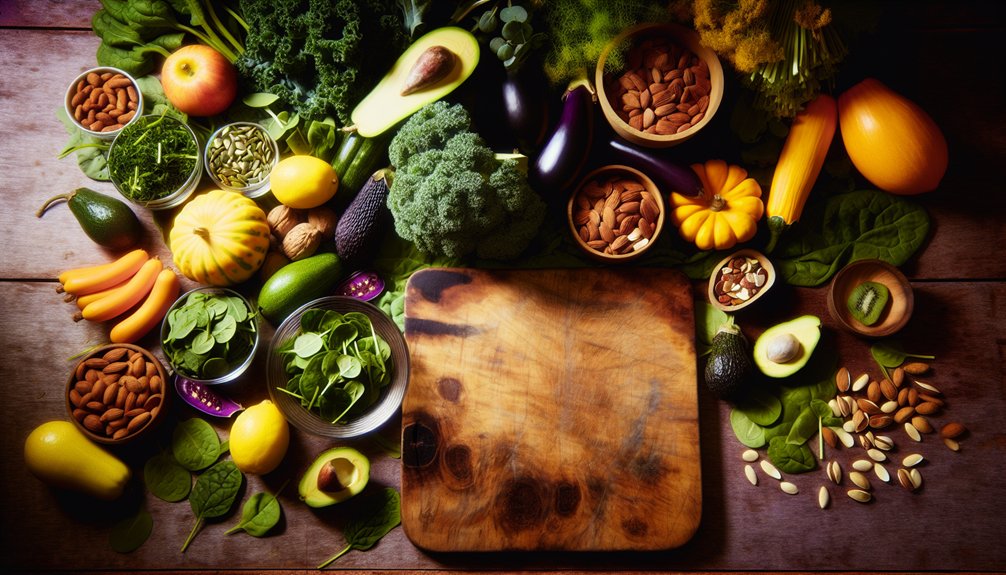
When you prioritize meal planning and preparation on the Dr. Gundry Diet, you’ll enhance your ability to serve others with nutritious meals.
Start by creating a weekly menu that includes approved foods, focusing on nutrient-dense vegetables, healthy fats, and lean proteins.
Batch-cook meals in advance to save time and guarantee you always have compliant options available.
Utilize mason jars for salads and pre-portioned snacks, making it easy for you and others to grab healthy options on the go.
Don’t forget to shop seasonally and locally; this not only supports your community but guarantees freshness.
Finally, involve family or friends in meal prep to foster a sense of togetherness while reinforcing healthy eating habits.
Your planning sets the stage for success.
Potential Benefits of the Dr. Gundry Diet
Following the principles of the Dr. Gundry Diet can offer several potential benefits.
Many adherents report improved digestive health, as the diet emphasizes low lectin foods that may reduce inflammation and discomfort.
You might experience enhanced energy levels, attributed to better nutrient absorption and balanced blood sugar levels.
Additionally, some individuals find weight management easier, as the diet encourages whole, nutrient-dense foods that promote satiety.
The emphasis on plant-based options can also support cardiovascular health, potentially lowering cholesterol levels and improving heart function.
Moreover, the focus on healthy fats and proteins may aid in muscle maintenance and overall wellness.
Criticisms and Considerations of the Plant Paradox Approach
While the Dr. Gundry diet emphasizes reducing lectins for better health, it faces significant criticism from some nutrition experts. Critics argue that eliminating entire food groups, such as legumes and certain grains, may lead to nutrient deficiencies.
They highlight that lectins are present in many foods, and for most people, they don’t pose a health risk when properly prepared. Furthermore, the diet’s strict guidelines could promote an unhealthy relationship with food, potentially leading to disordered eating.
It’s essential to take into account individual dietary needs and consult healthcare professionals before making drastic changes. Balancing evidence-based nutrition with personal preferences can help you serve others effectively while ensuring your own well-being.
Frequently Asked Questions
How Does the Dr. Gundry Diet Impact Weight Loss?
The Dr. Gundry diet can profoundly impact your weight loss journey by promoting the consumption of low-lectin foods, which may help reduce inflammation and improve gut health.
By focusing on nutrient-dense, whole foods, you’ll likely experience better appetite control and increased energy levels.
The diet encourages mindful eating and avoids processed foods, which can lead to healthier choices.
Can I Still Consume Dairy on This Diet?
You might be wondering about dairy’s role in your diet.
While some people enjoy dairy for its calcium and protein, it can also pose challenges due to lactose and casein, which may trigger inflammation or digestive issues.
If you choose to consume dairy, opt for high-quality, full-fat options like goat or sheep cheese, which are often better tolerated.
Always listen to your body and adjust based on how you feel after consuming dairy products.
Are There Specific Supplements Recommended With This Diet?
Yes, there are specific supplements often recommended to enhance your health while following this diet.
You might consider taking polyphenol-rich supplements, omega-3 fatty acids, and magnesium to support your overall well-being.
Additionally, vitamin D3 and probiotics can be beneficial for gut health.
Always consult with a healthcare professional before starting any new supplements to guarantee they align with your individual health needs and dietary goals.
How Long Should I Follow the Dr. Gundry Diet?
If you’re looking to improve your health, consider that studies show over 70% of chronic diseases are linked to diet.
You should ideally follow the Dr. Gundry diet for at least three months to assess its impact on your well-being. This timeframe allows your body to adjust and respond to dietary changes.
Afterward, evaluate your progress and decide whether to continue, adjust, or combine it with other health strategies for best results.
Is the Dr. Gundry Diet Suitable for Children?
The Dr. Gundry diet may not be suitable for children without careful consideration.
Children require a balanced intake of nutrients for growth and development, and some food restrictions might limit essential vitamins and minerals.
If you’re considering this diet for kids, consult a pediatrician or nutritionist to ascertain it aligns with their health needs.
It’s important to prioritize their well-being while encouraging healthy eating habits that promote lifelong wellness.