 By Steven Smith
When it comes to dietary choices, Dr. Gundry emphasizes the need to steer clear of certain foods high in lectins. These include specific legumes, nightshade vegetables, and grains. While some might argue against his claims, understanding the science behind lectins can shed light on their potential impact on your health. So, what exactly should you avoid, and what evidence supports these recommendations? The answers might surprise you.
Understanding Lectins: What They Are and How They Work
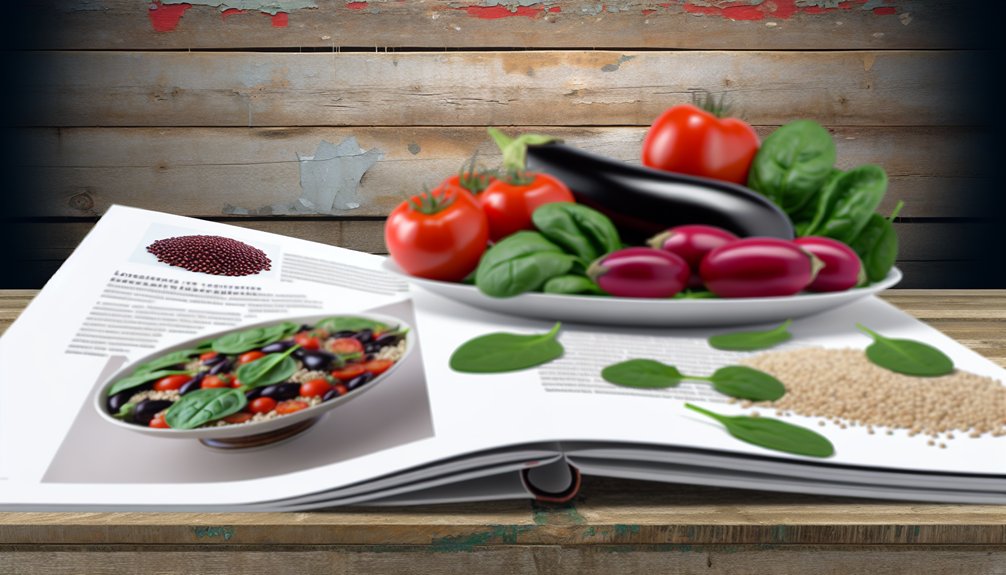
Lectins are proteins found in many plants, particularly in legumes, grains, and some vegetables. These molecules play a significant role in the plant’s defense mechanism, protecting them from pests and pathogens.
When consumed, lectins can interact with your gut lining, potentially leading to digestive issues and inflammation in some individuals. They can bind to carbohydrates on cell surfaces, which might disrupt nutrient absorption and contribute to various health concerns.
While not everyone experiences adverse effects from lectins, understanding their potential impact is essential for those serving others in health and nutrition. You might consider minimizing high-lectin foods in your diet, especially if you notice digestive discomfort or other related symptoms.
Awareness of lectins can empower you to make informed dietary choices.
Dr. Gundry’s Perspective on Lectins
Many health experts, including Dr. Gundry, emphasize the potential negative effects of lectins on human health. He argues that lectins, found in various plant foods, can disrupt gut function, contribute to inflammation, and even lead to autoimmune conditions.
Dr. Gundry suggests that these proteins can bind to carbohydrates in your body, causing issues with nutrient absorption and gut permeability. He encourages you to be mindful of how these foods affect your well-being, especially if you experience digestive discomfort or other health issues.
Foods High in Lectins to Avoid

When considering your dietary choices, it’s crucial to identify foods high in lectins that might negatively impact your health. Common sources include legumes like kidney beans and lentils, which can provoke inflammatory responses.
Nightshade vegetables, such as tomatoes and eggplants, also contain lectins, potentially causing discomfort for some individuals. Grains, especially wheat and barley, are notorious for their lectin content, which can interfere with gut health.
Additionally, certain dairy products, particularly those from cows, may contribute to lectin exposure. By reducing or eliminating these foods from your diet, you can promote better health outcomes.
Always consult with a healthcare professional before making significant dietary changes to ascertain you’re meeting your nutritional needs while minimizing lectin intake.
The Role of Cooking in Reducing Lectin Content
Cooking methods can greatly reduce the lectin content in various foods, making them safer for consumption. Techniques like soaking, boiling, and pressure cooking can effectively mitigate these potentially harmful proteins.
For instance, soaking beans overnight and then boiling them can considerably lower their lectin levels. Pressure cooking not only cuts down cooking time but also enhances lectin reduction, making legumes and grains safer options.
Roasting and baking can also diminish lectin content in certain vegetables. By employing these methods, you can serve delicious meals while prioritizing health.
Myths vs. Facts: Debunking Common Misconceptions

Despite understanding the importance of cooking methods in reducing lectin levels, misconceptions about lectins and their effects on health persist.
One myth is that all lectins are harmful; in reality, many foods contain lectins that can be safely consumed when prepared correctly.
Another common misconception is that avoiding all lectin-containing foods is necessary for ideal health, while moderate consumption of properly cooked legumes and grains can offer nutritional benefits.
Some believe lectins are solely responsible for digestive issues, but other factors, like individual sensitivities and overall diet, play significant roles.
Health Impacts of Lectins According to Dr. Gundry
Dr. Gundry emphasizes that lectins can have significant health impacts, particularly on gut health and inflammation.
These proteins, found in many plants, can interfere with nutrient absorption and may contribute to digestive issues. By binding to gut cells, lectins can disrupt the intestinal barrier, leading to conditions like leaky gut syndrome.
This can result in systemic inflammation and various autoimmune disorders. Gundry suggests that individuals sensitive to lectins may experience symptoms such as bloating, gas, and fatigue.
He advocates for awareness of lectin-rich foods, particularly in those with pre-existing health conditions. Understanding these impacts can empower you to make informed dietary choices that enhance your well-being and serve others effectively.
Alternative Foods: What to Eat Instead
When considering alternatives to lectin-rich foods, you can focus on nutrient-dense options that support gut health and overall wellness.
Incorporate leafy greens like spinach and kale, which are packed with vitamins and antioxidants. Opt for cruciferous vegetables, such as broccoli and cauliflower, known for their anti-inflammatory properties.
Healthy fats from avocados and olive oil can enhance nutrient absorption while promoting heart health. Consider high-quality proteins like wild-caught fish and pasture-raised poultry, which provide essential amino acids.
Additionally, fermented foods like yogurt and sauerkraut can improve gut microbiome diversity.
Testimonials and Case Studies
As countless individuals have discovered, adopting a diet low in lectins can lead to significant health improvements. Many have shared personal testimonials highlighting weight loss, increased energy levels, and reduced inflammation after eliminating high-lectin foods.
For instance, one individual reported remarkable relief from joint pain within weeks of making dietary changes. Another case study revealed improved digestive health, with participants experiencing fewer bloating episodes and enhanced nutrient absorption.
These testimonials illustrate how a low-lectin approach can transform lives, often leading to better overall well-being. By sharing their experiences, these individuals inspire others to contemplate dietary modifications.
Ultimately, such case studies emphasize the potential benefits of understanding and managing lectin intake for a healthier lifestyle, reinforcing the importance of informed food choices.
Evaluating the Scientific Evidence Behind Gundry’s Claims
While Gundry’s claims about the dangers of lectins have garnered attention, it’s essential to evaluate the scientific evidence backing these assertions.
Research on lectins shows mixed results; some studies suggest they may contribute to digestive issues in sensitive individuals, while many others indicate that lectins can have health benefits, including antioxidant properties.
The majority of scientific literature advocates for a balanced diet rich in whole foods, which can include lectin-containing fruits and vegetables.
Before making drastic dietary changes based on Gundry’s recommendations, consider consulting with a healthcare professional. They can help you discern what’s best for your unique health needs, ensuring that you’re serving not only yourself but also those who depend on your well-being.
Frequently Asked Questions
Are There Any Benefits to Consuming Lectins in Moderation?
Yes, consuming lectins in moderation can offer benefits. They may support gut health by promoting a diverse microbiome, which can enhance digestion and nutrient absorption.
Additionally, some studies suggest that lectins possess antioxidant properties, potentially reducing inflammation and lowering the risk of chronic diseases.
However, it’s important to balance lectin intake with other nutritious foods, ensuring you maintain a well-rounded diet that supports overall health and well-being.
Can Lectins Affect Gut Health for Everyone?
Lectins can affect gut health, but the impact varies among individuals.
Some people may experience digestive discomfort or inflammation after consuming high-lectin foods, while others might tolerate them well.
It’s essential to pay attention to your body’s reactions and adjust your diet accordingly.
If you notice adverse effects, consider reducing your intake of lectin-rich foods.
Listening to your body can help you maintain peak gut health and overall well-being.
What Are the Long-Term Effects of a Lectin-Free Diet?
Imagine stepping into a vibrant garden, free from weeds that choke growth.
A long-term lectin-free diet may yield benefits like improved gut health, enhanced energy levels, and reduced inflammation.
However, it can also lead to nutrient deficiencies if not carefully managed, as certain foods rich in essential nutrients get excluded.
To thrive, it’s crucial to guarantee you’re still getting a balanced intake of vitamins and minerals while avoiding potential gastrointestinal distress.
How Does Dr. Gundry’s Diet Compare to Other Popular Diets?
Dr. Gundry’s diet emphasizes reducing lectins, which he believes can cause inflammation and digestive issues.
Compared to other popular diets, like Keto or Mediterranean, his approach focuses more on plant compounds that might be harmful rather than macronutrient ratios.
You’ll find it shares similarities with paleo diets, but Gundry’s plan is unique in its strict avoidance of specific foods.
Adopting his diet may lead to different health outcomes than other mainstream dietary approaches.
Are There Specific Symptoms of Lectin Intolerance?
If you suspect lectin intolerance, watch for symptoms like bloating, gas, diarrhea, and joint pain.
These reactions can vary, and you might experience fatigue or skin issues as well.
It’s important to listen to your body; if certain foods consistently trigger discomfort, consider eliminating them from your diet.
Consulting a healthcare professional can help you identify the issue and develop a plan to manage your symptoms effectively while maintaining a balanced diet.