 By Steven Smith
If you’re concerned about gut health, understanding lectins and their sources is essential. Dr. Gundry highlights specific foods that are particularly high in these compounds, such as certain legumes and nightshade vegetables. Whole grains also play a significant role in lectin intake. By recognizing which foods to limit, you could potentially enhance your well-being. However, the impact of lectins varies among individuals, prompting further exploration of their effects on health.
Understanding Lectins: What Are They and Why Do They Matter?
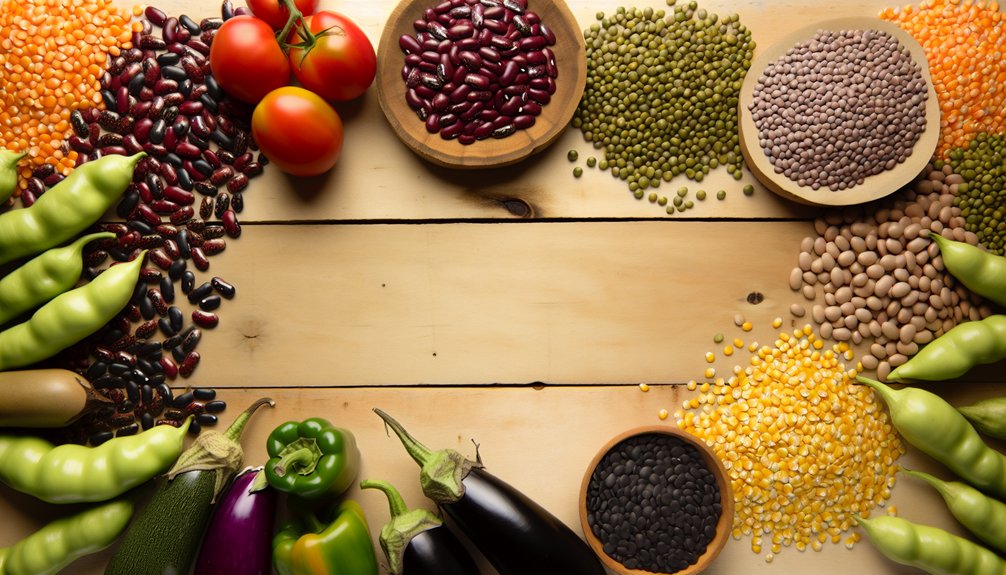
Lectins are a type of protein found in many plant-based foods, and they play a significant role in human nutrition and health. These proteins can bind to carbohydrates, affecting various biological processes, including cell signaling and immune responses.
Understanding lectins is vital, as they may influence gut health and nutrient absorption. While some lectins can have adverse effects, such as digestive discomfort or inflammation, others may offer health benefits, including antioxidant properties.
It’s essential to recognize that not all lectin-containing foods are harmful. By being informed, you can make choices that align with your health goals and those of others you serve.
Balancing lectin intake can contribute to overall well-being while supporting nutritional diversity in meals.
Common Foods High in Lectins
While many people enjoy a variety of plant-based foods, it’s important to recognize that some of these items are particularly high in lectins.
Common foods high in lectins include beans, lentils, and certain legumes, which can often cause digestive discomfort. Nightshade vegetables, such as tomatoes, potatoes, and eggplants, also contain significant lectin levels. Whole grains, especially wheat and barley, contribute to your lectin intake as well.
Additionally, some fruits, like bananas and avocados, contain lectins, though in lower amounts. If you’re looking to serve others with health in mind, it’s beneficial to understand these food sources and consider individual tolerance levels, as some may react more strongly to lectins than others.
How Cooking Methods Impact Lectin Levels
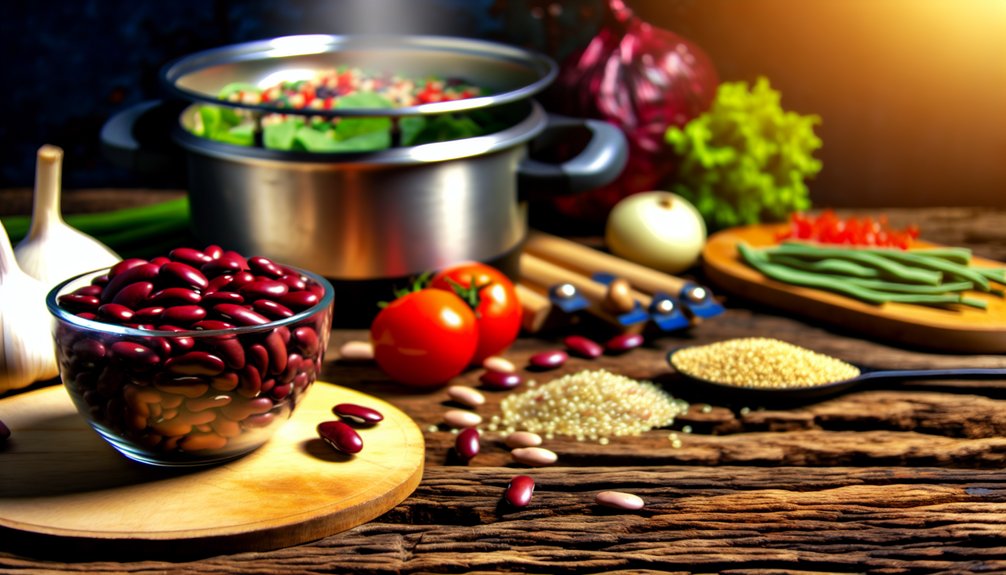
When it comes to reducing lectin levels in food, cooking methods play a crucial role. Certain techniques can greatly diminish lectins, making foods safer and more digestible.
For instance, boiling legumes and grains for at least 10 minutes can effectively neutralize harmful lectins. Pressure cooking is even more efficient, as it reaches higher temperatures and reduces lectin levels more rapidly.
Roasting and baking can also lower lectins in vegetables, though steaming is less effective. Fermentation and soaking can further enhance the breakdown of lectins, particularly in beans and grains.
The Health Implications of Lectins According to Dr. Gundry
Understanding the health implications of lectins is essential for making informed dietary choices. Dr. Gundry highlights that lectins can potentially disrupt gut health by binding to the intestinal lining, which may lead to increased permeability, often referred to as “leaky gut.”
This condition can trigger inflammatory responses and contribute to various health issues, including autoimmune diseases and digestive disorders. Additionally, some studies suggest that lectins may interfere with nutrient absorption, affecting overall health.
For individuals with certain sensitivities, consuming high-lectin foods might exacerbate symptoms. Consequently, it’s vital to evaluate your dietary intake of lectins and their potential effects on your health, particularly if you or those you serve experience gastrointestinal discomfort or other related symptoms.
Tips for Reducing Lectin Intake in Your Diet
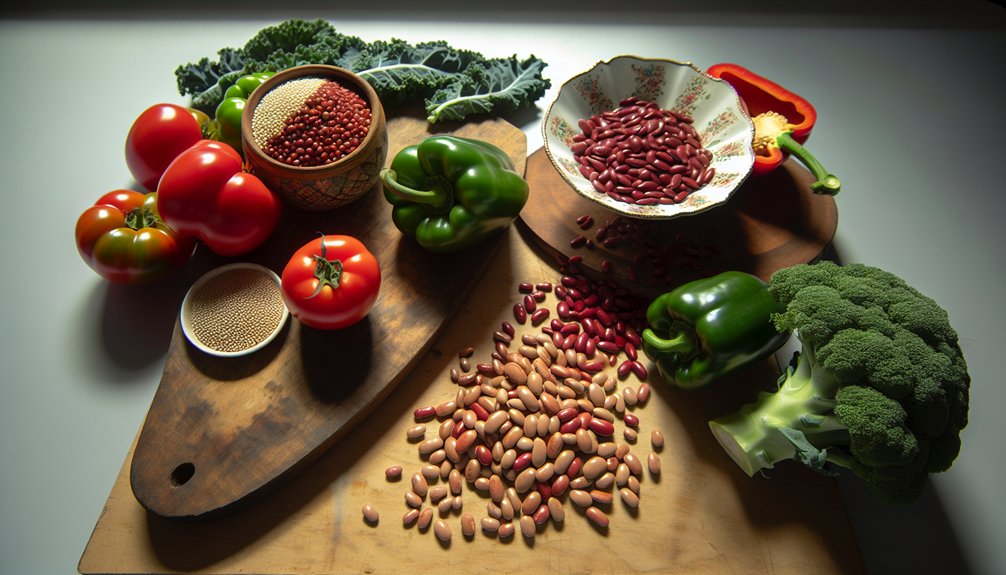
Reducing lectin intake can be beneficial, especially for those experiencing gastrointestinal issues or other health concerns linked to these proteins.
To minimize lectin consumption, focus on cooking methods like boiling or soaking, which can greatly reduce lectin levels in foods. Opt for peeled and deseeded fruits and vegetables, as lectins are often concentrated in skins and seeds.
Incorporate more whole grains that have lower lectin content, such as quinoa and rice, and prioritize fresh, organic produce. Fermented foods may also help, as they can aid digestion and reduce lectins’ impact.
Finally, consider gradually eliminating high-lectin foods, such as legumes and certain nightshades, to observe potential improvements in your health and well-being.
Frequently Asked Questions
Are All Lectins Harmful to Health?
Not all lectins are harmful to health. While certain types can cause gastrointestinal issues or interfere with nutrient absorption, many foods containing lectins also provide essential nutrients and health benefits.
It’s important to take into account the overall diet and individual tolerance. Cooking methods, like soaking or boiling, can reduce lectin levels considerably.
Can Lectins Cause Food Allergies?
Lectins can sometimes act like a double-edged sword in your diet.
While they aren’t directly responsible for food allergies, they may exacerbate existing sensitivities in some individuals. Research suggests that certain lectins can disrupt gut health, potentially leading to inflammatory responses that mimic allergic reactions.
If you notice discomfort after consuming lectin-rich foods, it’s wise to consult a healthcare professional to explore your symptoms and find a suitable dietary approach.
How Can I Identify Lectins in Packaged Foods?
To identify lectins in packaged foods, you should carefully read ingredient labels.
Look for common sources like beans, lentils, whole grains, and certain vegetables. If the product lists any of these ingredients, it likely contains lectins.
Additionally, some brands may explicitly mention “lectin-free” or provide information on their website.
Always prioritize products that utilize cooking methods known to reduce lectin content, such as soaking or pressure cooking, to mitigate potential adverse effects.
Are There Benefits to Consuming Lectins?
Lectins can be like double-edged swords in your diet. While some people might experience digestive issues from lectins, others can benefit from their presence.
They may support gut health by promoting beneficial bacteria and modulating immune responses. Additionally, certain legumes and whole grains, rich in lectins, provide essential nutrients and fiber.
If you’re mindful of your overall intake, you might find that lectins can play a role in a balanced, healthful eating pattern.
Is Lectin Content the Same in All Plant Varieties?
Lectin content varies markedly among different plant varieties.
Some plants, like beans and legumes, have higher lectin levels, while others, such as leafy greens, contain minimal amounts.
It’s essential to take into account these differences when advising others about dietary choices.