 By Steven Smith
If you’re looking to enhance your health through diet, understanding Dr. Gundry’s recommendations can be essential. His approach emphasizes nutrient-dense foods that support overall well-being and reduce inflammation. By focusing on specific vegetables, fruits, and protein sources, you can align your meals with his philosophy. So, what exactly should you include on your plate to optimize your health according to his guidelines? Let’s explore the key components of his approved food list.
Overview of Dr. Gundry’s Nutrition Philosophy
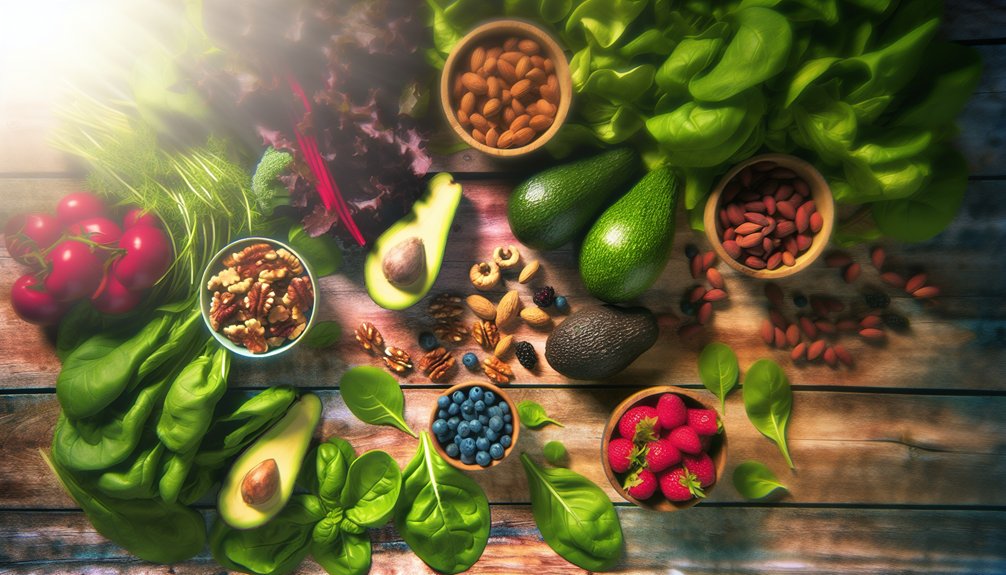
Dr. Gundry’s nutrition philosophy emphasizes the importance of understanding how certain foods affect your health. He advocates for a diet that minimizes lectins, proteins found in many plants that can cause inflammation and digestive issues.
Instead, he encourages you to focus on nutrient-dense foods, such as leafy greens, healthy fats, and high-quality proteins. By choosing these foods, you can enhance your well-being, support weight management, and potentially reduce the risk of chronic diseases.
Gundry’s approach is rooted in scientific research, promoting the idea that what you eat can greatly impact your overall health. Ultimately, adopting his recommendations may empower you to make informed dietary choices that benefit not just yourself, but also those you serve.
The Importance of a Plant-Based Diet
A plant-based diet plays a significant role in promoting overall health and well-being. Research consistently shows that incorporating more plant foods can reduce the risk of chronic diseases like heart disease, diabetes, and certain cancers.
By focusing on whole, nutrient-dense foods, you’ll provide essential vitamins, minerals, and antioxidants that support your immune system and enhance vitality. This diet also encourages healthier digestion through increased fiber intake, which is essential for gut health.
In addition, a plant-based approach can help maintain a healthy weight and improve energy levels. By choosing plant-based options, you not only benefit your health but also contribute to environmental sustainability, making a positive impact on the world around you.
It’s a win-win for you and those you serve.
Approved Vegetables and Their Benefits
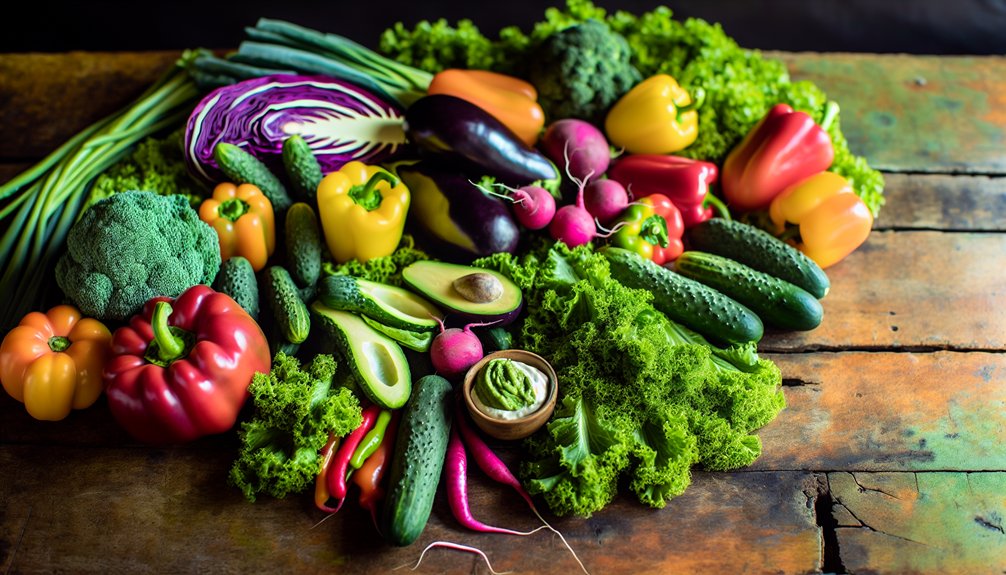
While many vegetables are nutritious, certain varieties stand out for their health benefits, particularly when following a plant-based diet.
Leafy greens like spinach and kale are packed with vitamins A, C, and K, promoting eye health and reducing inflammation.
Cruciferous vegetables, such as broccoli and Brussels sprouts, contain sulforaphane, which may aid in cancer prevention.
Additionally, asparagus is rich in antioxidants and supports digestive health.
Artichokes are another excellent choice, offering high fiber content that aids in gut function.
Incorporating these approved vegetables into your meals can enhance both nutritional value and health benefits, making them ideal choices for those looking to serve others nutritious, wholesome dishes.
Prioritizing these vegetables can greatly contribute to overall wellness.
Fruits That Fit Into Dr. Gundry’s Guidelines
When choosing fruits that align with Dr. Gundry’s guidelines, focus on low-sugar options that offer high antioxidant content.
Berries, such as blueberries, strawberries, and blackberries, are excellent choices due to their low glycemic index and rich phytonutrients.
Avocado, although often considered a vegetable, is also a fruit and provides healthy fats and fiber, supporting heart health.
Cherries are another great option, packed with vitamins and polyphenols.
Melons, particularly cantaloupe, can be included in moderation for hydration and vitamin A.
It’s crucial to avoid high-sugar fruits like bananas and grapes, as they can spike insulin levels.
Nuts and Seeds: Healthy Fats for Your Diet
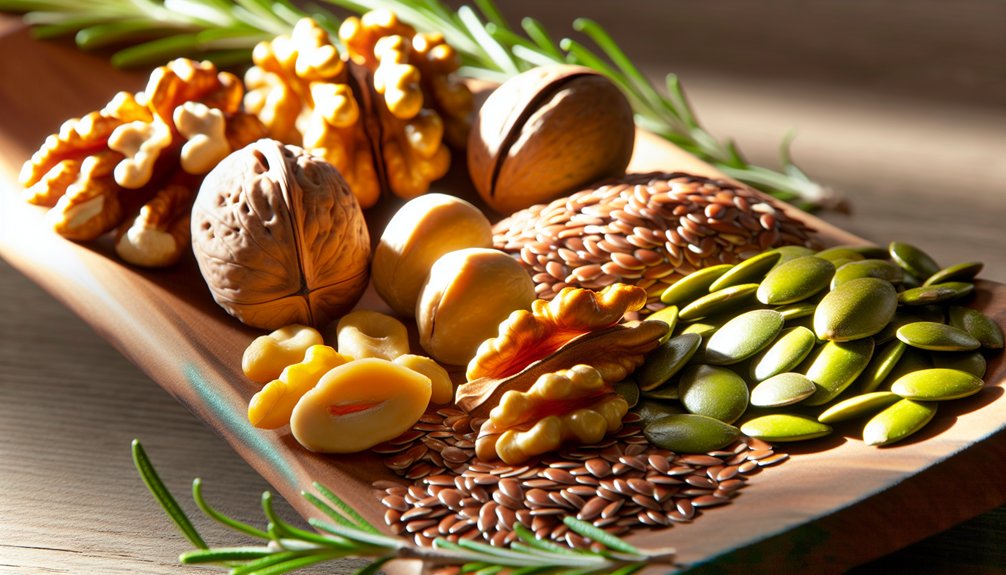
Incorporating nuts and seeds into your diet can greatly enhance your intake of healthy fats, which are essential for overall health. These foods provide crucial nutrients like omega-3 fatty acids, protein, and fiber, promoting heart health and reducing inflammation.
Almonds, walnuts, chia seeds, and flaxseeds are excellent choices that align with Dr. Gundry’s guidelines. They contribute to satiety, making it easier to manage weight while nourishing your body.
Be mindful of portion sizes, as nuts and seeds are calorie-dense. Opt for raw or lightly roasted varieties, avoiding added sugars and unhealthy oils.
Whole Grains to Include and Avoid
Whole grains play an important role in a balanced diet, offering essential nutrients and fiber that support digestive health and reduce the risk of chronic diseases.
When considering grains, opt for quinoa, brown rice, and farro, as they provide crucial nutrients and are less likely to spike blood sugar levels.
However, you’ll want to avoid refined grains like white bread, white rice, and pastries, as these can lead to inflammation and other health issues.
Additionally, be cautious with gluten-containing grains, especially if you or those you serve have sensitivities.
Dairy Alternatives Recommended by Dr. Gundry
As you explore healthy dietary choices, consider incorporating dairy alternatives that align with Dr. Gundry’s recommendations. He suggests opting for unsweetened almond milk, coconut milk, or hemp milk, as they provide nutrient-rich options without the inflammatory effects of traditional dairy.
These alternatives are low in lectins, which Dr. Gundry advises avoiding for peak gut health. You might also explore cashew or macadamia nut milk, both of which are creamy and versatile for various recipes.
When selecting dairy alternatives, make sure they’re free from added sugars and artificial ingredients to enhance health benefits. By choosing these alternatives, you can support not only your health but also that of those you serve, promoting a balanced and nourishing diet.
Proteins: What to Eat and What to Skip
When choosing proteins, it’s essential to focus on options that support your health while avoiding those that may cause inflammation. Dr. Gundry recommends lean meats like turkey and chicken, along with fish such as salmon and sardines, which are rich in omega-3 fatty acids.
Plant-based proteins, including lentils, chickpeas, and certain nuts, are also excellent choices, providing fiber and essential nutrients.
However, steer clear of red meats and processed meats, as they can promote inflammation and negatively impact your gut health. Avoid conventional dairy, too, as it may contain harmful hormones.
Instead, opt for high-quality, grass-fed, or pasture-raised sources when possible. Prioritizing these protein options can greatly benefit your overall health and well-being.
Cooking Oils and Fats for Optimal Health
Choosing the right cooking oils and fats can greatly influence your health, much like selecting the right proteins. Dr. Gundry emphasizes the importance of using healthy fats to support ideal health.
Avocado oil, for instance, is rich in monounsaturated fats and antioxidants, making it a top choice for cooking. Extra virgin olive oil, known for its anti-inflammatory properties, is also highly recommended, particularly for dressings or low-heat cooking.
Avoid unhealthy oils high in omega-6 fatty acids, like canola or soybean oil, as they can promote inflammation. Instead, consider coconut oil for high-heat cooking due to its stable saturated fats.
Sample Meal Plans Incorporating Approved Foods
Creating meal plans that incorporate Dr. Gundry’s approved foods can enhance both your health and the well-being of those you serve.
Start your day with a green smoothie made from spinach, unsweetened almond milk, and a scoop of pea protein.
For lunch, consider a salad topped with grilled chicken, avocado, and a drizzle of olive oil and lemon.
In the evening, prepare a wild-caught salmon fillet, served with steamed asparagus and cauliflower rice.
Snacks can include raw almonds or celery sticks with hummus.
Each meal emphasizes nutrient-dense, low-inflammatory ingredients, aligning with Dr. Gundry’s principles.
Frequently Asked Questions
Are There Any Foods Dr. Gundry Strictly Prohibits?
Dr. Gundry strictly prohibits certain foods, particularly those high in lectins, as he believes they can contribute to inflammation and other health issues.
You should avoid grains, legumes, nightshade vegetables, and certain dairy products. Additionally, he advises against processed sugars and unhealthy fats.
By eliminating these items from your diet, you may support better health outcomes and enhance your well-being.
Always consult a healthcare professional before making significant dietary changes.
How Does Dr. Gundry’s Diet Affect Weight Loss?
Dr. Gundry’s diet promotes weight loss by focusing on nutrient-dense foods while eliminating harmful ingredients that can cause inflammation.
You’ll find that his approach encourages you to consume more vegetables, healthy fats, and lean proteins, which help regulate blood sugar levels and improve metabolism.
As you adopt these dietary changes, you might experience reduced cravings and increased energy, ultimately leading to healthier weight management and overall wellness for yourself and those you serve.
Can I Follow Dr. Gundry’s Diet While Being Vegan?
Imagine savoring a colorful plate filled with vibrant veggies and plant-based proteins. Yes, you can follow Dr. Gundry’s diet while being vegan.
Focus on high-quality, low-lectin foods like leafy greens, cruciferous vegetables, and specific legumes. By avoiding grains and certain legumes, you’ll align with his philosophy while still embracing a vegan lifestyle.
Balance is key, so be mindful of your nutrient intake to guarantee you’re supporting your health effectively and sustainably.
What Are Common Mistakes People Make With Dr. Gundry’s Diet?
When following Dr. Gundry’s diet, common mistakes include ignoring food quality, thinking all plant-based foods are safe.
You might overlook proper food preparation methods that enhance nutrient absorption.
Many also underestimate the importance of balance, focusing too much on certain allowed foods while neglecting variety.
Finally, not paying attention to individual reactions can lead to adverse effects, so always listen to your body and adjust accordingly for ideal health benefits.
How Can I Transition to Dr. Gundry’s Eating Plan?
Shifting to Dr. Gundry’s eating plan involves gradually replacing processed foods with whole, plant-based options.
Start by incorporating more leafy greens, healthy fats, and low-sugar fruits into your meals. You’ll want to eliminate lectin-rich foods like certain grains and beans.
Meal prepping can help you stay on track and avoid temptation. Don’t hesitate to experiment with new recipes and flavors; it makes the journey enjoyable and sustainable for both you and those you serve.