 By Steven Smith
If you’re exploring dietary changes, you might want to contemplate Dr. Steven Gundry’s controversial guidelines. He emphasizes avoiding high-lectin foods, certain vegetable oils, and nightshade vegetables. These items, he argues, can contribute to inflammation and other health issues. But what does this really mean for your daily meals? Understanding the implications of these recommendations could reshape your approach to nutrition.
Lectins: The Hidden Dangers in Your Pantry
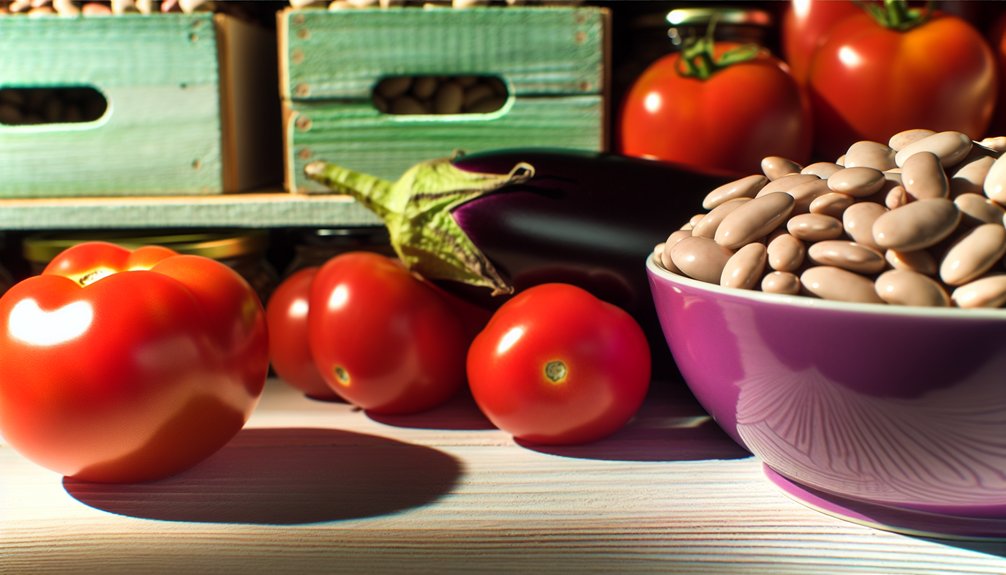
While you may not realize it, the common foods in your pantry could be harboring lectins—proteins that can disrupt your gut health and contribute to various chronic conditions.
These proteins, found in foods like beans, lentils, and certain grains, can bind to your gut lining, potentially leading to inflammation and digestive issues.
Dr. Gundry emphasizes that for some individuals, lectins may exacerbate autoimmune disorders and other health problems.
Reducing your intake of high-lectin foods can be beneficial, especially if you’re aiming to improve your overall well-being.
Instead, consider incorporating lectin-free alternatives, such as leafy greens and cruciferous vegetables, to support your gut health while serving others through shared meals and nourishment.
Vegetable Oils: The Heart Health Myth
Many people believe that vegetable oils are a heart-healthy choice, but recent research challenges this notion. These oils, often high in omega-6 fatty acids, can promote inflammation and contribute to heart disease when consumed in excess.
Instead of supporting cardiovascular health, they may lead to an imbalance in your fatty acid intake, which could negatively affect your overall well-being. Studies have linked high omega-6 consumption to increased risks of chronic diseases.
Opting for healthier fats, like olive oil or avocado oil, can provide better benefits. By educating yourself and others about these risks, you can foster healthier dietary choices that truly support heart health and promote longevity for yourself and those you care for.
Nightshade Vegetables: A Potential Source of Inflammation
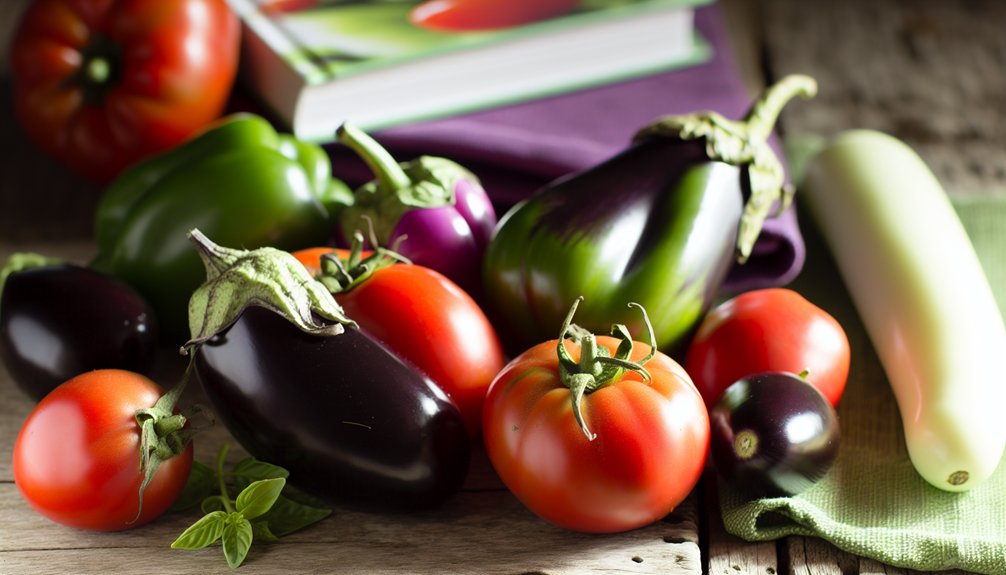
Although nightshade vegetables, such as tomatoes, potatoes, and eggplants, are staples in many diets, they may pose inflammation risks for some individuals.
These vegetables contain alkaloids, which can trigger inflammatory responses in sensitive people, particularly those with autoimmune conditions.
If you or someone you serve experiences joint pain, digestive issues, or skin problems, it might be worth considering a trial elimination of nightshades from the diet.
Research suggests that removing these foods can lead to a reduction in symptoms for some individuals.
Always consult with a healthcare professional before making significant dietary changes.
Understanding the potential impact of nightshades allows you to make informed choices that prioritize health and well-being for yourself and those you care for.
Frequently Asked Questions
What Are Lectins, and Why Are They Harmful?
Think of lectins as tiny troublemakers hiding in your food.
These proteins, found in many plants, can disrupt your gut health and lead to inflammation. When you consume them, they may bind to the cells in your intestines, causing digestive issues and potentially affecting nutrient absorption.
If you’re looking to support your overall well-being, it’s wise to be mindful of lectin-rich foods and their impact on your body.
Can I Still Eat Healthy Fats on This Diet?
Yes, you can still enjoy healthy fats on this diet. Foods like avocados, olive oil, and nuts provide essential nutrients while supporting heart health.
Incorporating these fats can help you feel satisfied, making it easier to stick to your dietary goals. Just be mindful of portion sizes, as fats are calorie-dense.
Are There Any Alternatives to Nightshade Vegetables?
If you’re looking for alternatives to nightshade vegetables, consider incorporating options like broccoli, cauliflower, and zucchini into your meals.
These vegetables provide similar textures and can be used in various dishes. Additionally, leafy greens such as spinach or kale add nutrients and flavor without the potential drawbacks of nightshades.
Experiment with herbs and spices like garlic and ginger to enhance your dishes, making your meals both healthy and enjoyable while avoiding nightshade vegetables.
How Do I Know if a Food Contains Lectins?
To know if a food contains lectins, you’ve got to read labels carefully. Focus on legumes, grains, nightshades, and some dairy products, as these often have higher lectin levels.
Cooking methods, like soaking or pressure cooking, can reduce lectins, so consider that when preparing meals. If you’re unsure, consult nutrition databases or experts.
Staying informed about what you’re eating helps you make better choices for yourself and those you serve.
What Should I Do if I Experience Inflammation Symptoms?
When inflammation symptoms flare up like a storm on the horizon, it’s essential to take action.
Start by identifying potential triggers in your diet, such as processed foods or added sugars. Incorporating anti-inflammatory foods like leafy greens, fatty fish, and nuts can help soothe the tempest.
Stay hydrated, manage stress, and consider consulting a healthcare professional for tailored advice. Your body deserves care, and small changes can lead to significant relief.